

With both Android 15 and iOS 19 officially released in 2025, developers around the world are asking: Which mobile platform is more developer-friendly? While both ecosystems have matured significantly, the differences in flexibility, tooling, community, and publishing still draw a clear line.
Let’s compare Android 15 and iOS 19 across all crucial aspects — from development environments to monetization opportunities — to determine which OS offers a better experience for developers in 2025.
🔍 Development Tools and Ecosystem
🛠️ IDEs and Toolchains
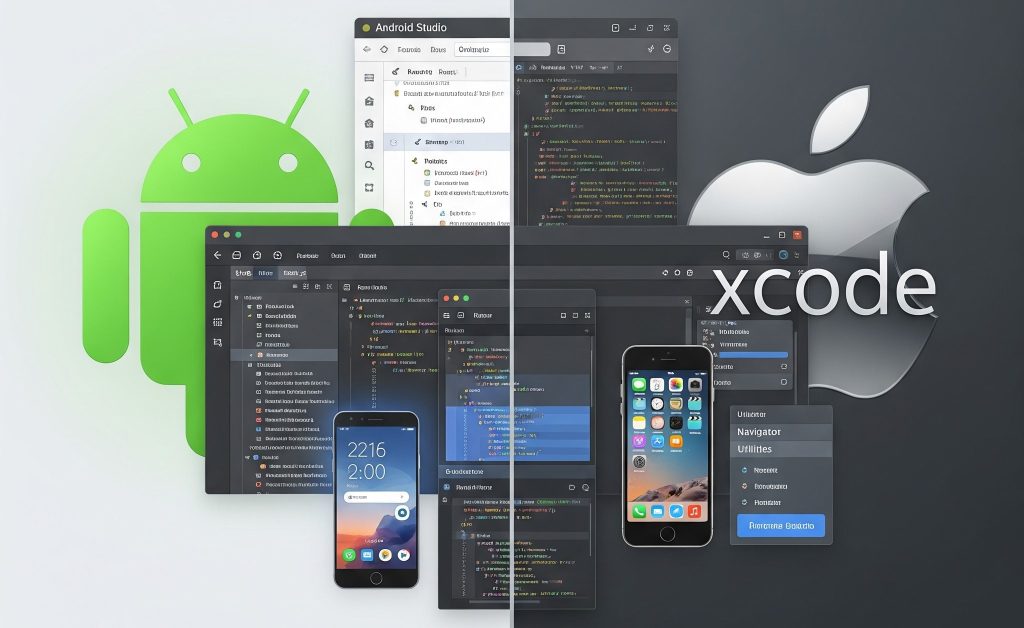
Android 15 continues its legacy with Android Studio Hedgehog, now powered by Jetpack Compose and AI-assisted coding tools. It integrates seamlessly with Firebase, Android Emulator, and supports Kotlin Multiplatform projects.
Meanwhile, iOS 19 development is bound to Xcode 16, which is sleek, powerful, and optimized for SwiftUI and Metal rendering. However, it’s exclusive to macOS — limiting developers not in Apple’s ecosystem.
💡 Language and Framework Support
📌 Android – Kotlin First
Android 15 prioritizes Kotlin even more, offering better coroutine handling, Jetpack extensions, and integration with Compose UI.
🍎 iOS – Swift Evolution
Swift has grown faster and more expressive in iOS 19, with better concurrency and UI building through SwiftUI. Yet, developers say the learning curve for SwiftUI is still steep compared to Compose.
🔄 Customization and Flexibility
Android 15 offers greater control over UI, background processes, permissions, and hardware integration. Developers building customized UIs or hardware-optimized apps (e.g., for foldables or wearables) find Android more accommodating.
Conversely, iOS 19 still maintains tight control, emphasizing security and performance — but this restricts certain creative liberties developers might seek.
Example: If you’re building a health monitoring app with background services, Android’s WorkManager and unrestricted APIs give more freedom
⚙️ API Access and Device Support
Android offers broader hardware compatibility, while iOS ensures software consistency across devices. Android 15 supports a wide range of chipsets and screen types, while iOS 19 is optimized for Apple Silicon.
Note: Android fragmentation still exists, though it’s reduced with Project Mainline and Play System Updates.
🌐 H2: Documentation and Community Support
Both platforms provide excellent documentation, but Android’s community (especially via GitHub and Stack Overflow) is broader due to open-source nature. Meanwhile, iOS devs rely on Apple Forums and WWDC resources.
🔗 Top Programming Languages to Learn in 2025
🧾 App Store vs Google Play: Publishing and Monetization
💰 Publishing Costs & Review Times
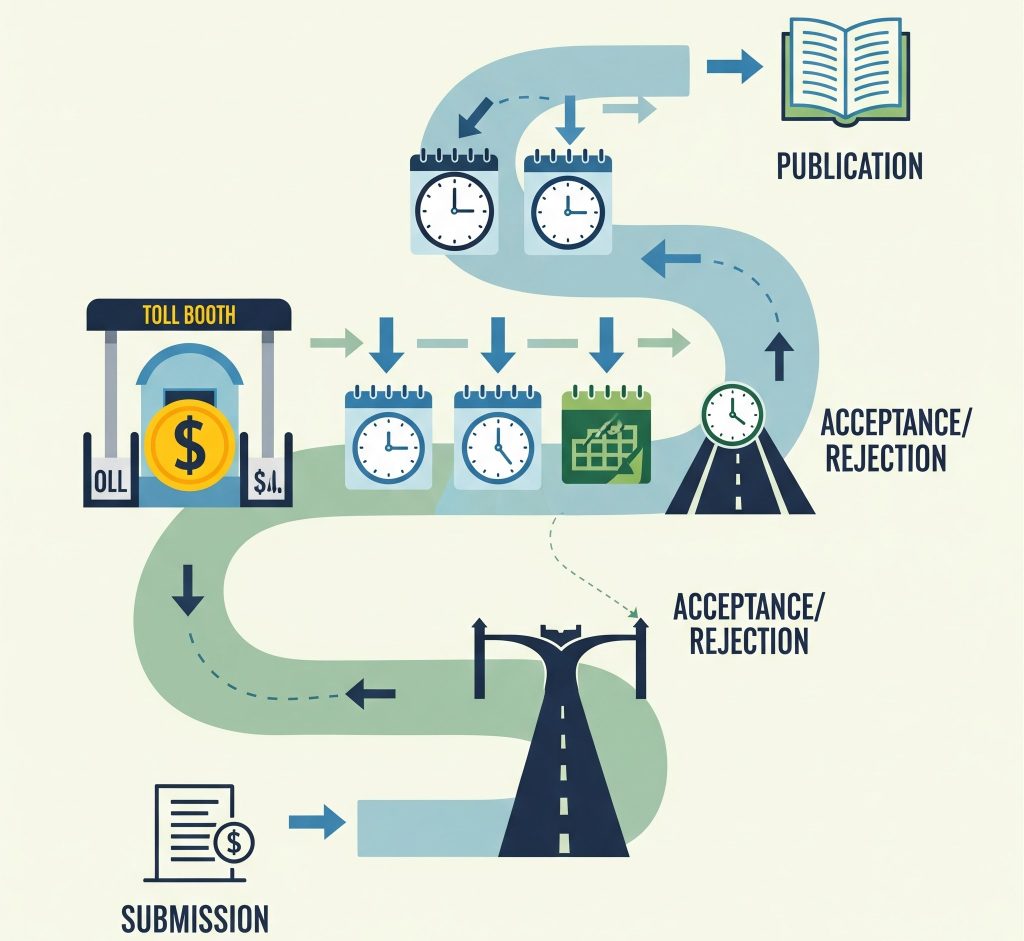
- Google Play Console: One-time $25 fee; faster review cycles (~hours to 1 day).
- Apple App Store: $99/year; longer review process (1–3 days).
💸 Monetization Flexibility
Android supports multiple billing platforms (now mandatory due to EU laws). iOS still mandates Apple’s payment gateway for most cases.
📊 Performance Monitoring and Debugging
Android 15 includes Firebase Performance Monitoring and Android Profiler, while iOS 19 features Instruments and Xcode’s built-in debugging tools.
However, Android developers benefit from more third-party integrations (e.g., Sentry, New Relic), whereas Apple tends to be more restrictive in tool usage.
🎯 Final Verdict – Which One Is More Dev-Friendly?
If you’re seeking flexibility, open tooling, and faster iteration cycles, Android 15 wins in 2025. It remains the top choice for startups, custom solutions, and rapid MVP building.
On the other hand, if your priority is device stability, high-paying markets, and curated app experiences, iOS 19 is ideal — especially for premium apps and enterprise clients.
👉 Our verdict: For most indie developers and agile teams, Android 15 offers a more dev-friendly ecosystem in 2025.
🔚 Conclusion
In the ongoing Android vs. iOS debate, 2025 brings subtle but significant changes. While iOS 19 pushes deeper into performance and elegance, Android 15 continues championing developer empowerment. Your choice depends on the kind of apps you build and the audience you target.