
💡 Introduction
Legacy code modernization is no longer optional — it’s essential. Legacy code is like the attic of your software house — dusty, cluttered, and often ignored. But eventually, every team must decide: Should we keep fixing what’s broken or modernize for the future?
In this blog, we’ll walk through practical strategies for legacy code modernization, explore the risks, and discover how to turn slow, outdated systems into agile, scalable applications.
🔁 What Is Legacy Code?
Legacy code refers to outdated or inefficient code that is still in use — often written in older languages or frameworks. These systems:
- Lack proper documentation
- Are difficult to scale
- Frequently break under pressure
- Inhibit innovation and productivity
🔗 Learn about how DevOps helps fix broken development cycles
🧩 Why You Should Modernize Legacy Code
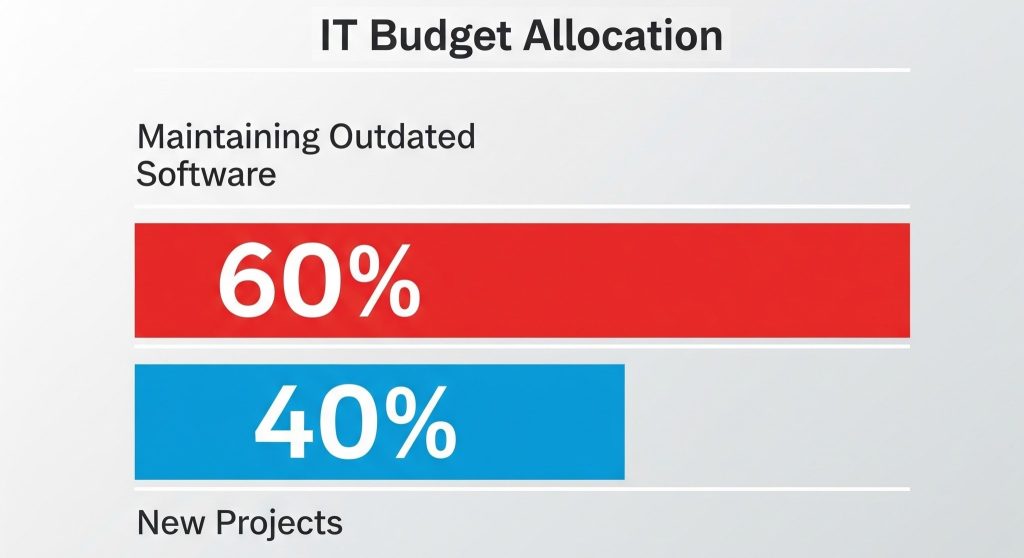
🔹 High Maintenance Costs
Legacy systems consume more time and money due to frequent bugs and compatibility issues.
🔹 Security Risks
Old codebases lack modern encryption or security protocols, making them vulnerable to attacks.
🔹 Innovation Roadblocks
Developers often spend more time debugging than building new features.
🚀 7 Proven Strategies to Modernize Legacy Code
🔧 1. Start with a Code Audit
Before any changes, analyze your codebase for:
- Unused modules
- Outdated libraries
- High-risk dependencies
✅ Use tools like SonarQube or CodeScene.
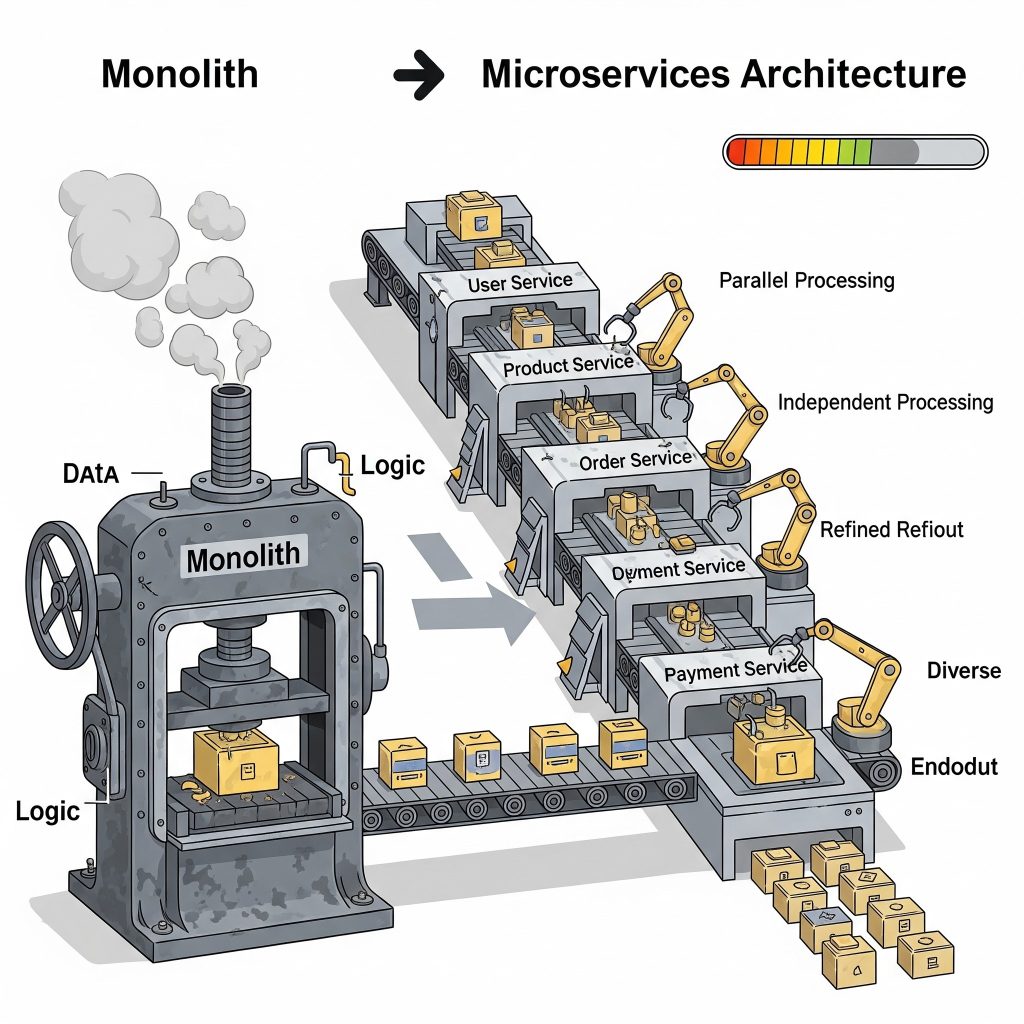
🧱 2. Modularize the Monolith
Break large applications into smaller modules or microservices. This improves testability and scalability.
🌀 3. Introduce CI/CD Pipelines
Automate testing and deployment using Jenkins, GitHub Actions, or GitLab. This ensures every new change doesn’t break legacy code.
🔗 /blog/security-automation-tools
🧪 4. Implement Unit & Regression Testing
Write tests for each module before making changes. Tools like JUnit, Mocha, or TestNG help catch bugs early.
🖥️ 5. Use Modern Frameworks Gradually
Migrate parts of your system to updated frameworks like:
- From AngularJS → To React or Vue
- From .NET → To .NET Core or Node.js
- From Java 7 → To Java 17+
⏳ Tip: Use the Strangler Fig Pattern — replace small parts of legacy code over time.
🛠️ 6. Use Containers and Virtualization
Docker and Kubernetes can help run legacy apps in isolated environments during migration.
📚 7. Document Everything
Modernization is useless without clear documentation. Keep changelogs, testing logs, and dependency trees up to date.
💼 Real-World Example: How Netflix Did It
Netflix moved from a monolithic DVD rental system to a microservices-based cloud architecture. Their journey shows:
- Microservices = faster scaling
- Cloud migration = cost savings
- Legacy elimination = global reach
⚠️ Common Mistakes to Avoid
- 💥 Big Bang Rewrite — too risky and expensive
- ❌ Ignoring developer feedback
- 🧪 Skipping testing before updates
- 🔕 No stakeholder communication
Always take an incremental approach instead of rewriting everything at once.
✅ Conclusion: It’s Time to Let Go
Modernizing legacy code isn’t just about rewriting lines — it’s about unlocking your system’s full potential.
By applying the right strategies, you not only reduce risk and cost but also enable innovation and future growth.
📢 So, don’t wait for the next crash. Take a step today toward modernization.